Tile Flooring · Austin Metro · Est. 2002

Tile floors built
for Texas homes.

Tile flooring installed from $10/sqft. Material, labor, and tax included.

Installed from
$10 per sqft, all-in
Your crew
Same team, start to finish
Peace of mind
2-Year Labor Warranty
The estimate
Free and in your home
Tile

The most durable floor you can install. When it's installed right.

Tile outlasts almost every other surface in your home. Done well, it can last 50 years or more without refinishing, replacing, or worrying about what the kids tracked in. Done poorly, you'll see cracks and lifting within two years. The difference is almost always in the prep work and the crew doing the install, not the tile itself.

What We Install Most

Four things most homeowners want to know about tile.

These are the questions we answer every week in our showroom. Knowing where you stand on each one makes the rest of the conversation a lot easier.

Porcelain and ceramic tile compared side by side

Porcelain vs. Ceramic

This is the question we get more than any other. Here's the short answer: porcelain is denser, harder, and more water-resistant than ceramic, which makes it the right call for bathrooms, kitchens, mudrooms, and anywhere moisture is a factor. Ceramic is slightly softer, easier to cut, and costs a little less, making it a smart choice for dry areas and spaces where budget matters. Both hold up beautifully for decades when they're installed correctly. We'll tell you which one makes more sense for your specific room and your specific subfloor.

Wood-look porcelain tile installed in a living area

Wood-Look Tile

One of the most popular requests we get right now, and for good reason. Modern wood-look porcelain tile is convincing enough that guests genuinely can't tell the difference until they knock on it. You get the warmth of a hardwood floor in rooms where real wood would never survive: bathrooms, laundry rooms, mudrooms, covered patios. It handles Texas heat, pet accidents, and standing water without flinching. If you've always wanted wood floors throughout your whole home but had rooms that ruled it out, this is worth seeing in person.

Large format tile in an open-concept living space

Large Format Tile

Bigger tiles mean fewer grout lines, which means the floor looks cleaner, more modern, and more open. A 24x48 or even larger tile in a main living area or open-concept kitchen creates a seamless look that smaller formats simply can't. It's one of the most dramatic upgrades you can make to how a room feels without changing anything else in it. Large format tile does require a flatter, more carefully prepped subfloor, which is exactly the kind of detail our crews are trained to get right before a single tile gets set.

Custom shower tile work in a remodeled bathroom

Shower and Wet Area Tile

Tile for a shower wall is a different conversation than tile for a floor. Slip ratings, grout joint sizing, waterproofing membranes, and how the layout handles the transition from floor to wall all matter in ways they don't in a living room. We handle bathroom and shower tile as part of our full remodeling work, which means we're thinking about the waterproofing, the plumbing transitions, and the finished result all at once. You don't have to coordinate that across multiple contractors.

Why tile fails before it should.

Most cracked, loose, or lifting tile is an installation problem, not a product problem. The tile itself rarely fails. What fails is the subfloor preparation underneath it. Any movement in the subfloor, any moisture that wasn't addressed, any variance that wasn't leveled, will eventually telegraph through the tile surface. Our crews correct all of that before the first tile goes down. That's not extra work. That's the job done right.

Ceramic, Porcelain, or Stone?

Three things that decide between them.

Most homeowners come in thinking this is mostly a visual decision. It isn't. Where the tile is going and how that room gets used matters more than how it looks in a photo.

Outdoor patio with dense porcelain tile flooring proving weather and impact resistance

Durability and Density

Porcelain is the workhorse. It's denser and harder than ceramic, absorbs almost no water, and holds up in the rooms that take the most punishment: kitchens, bathrooms, mudrooms, and high-traffic main floors. Ceramic is a perfectly good tile in the right place. It's well suited for walls, dry-area floors, and spaces where budget is the priority. Natural stone sits in its own category, with a density and character that varies by type. We'll tell you exactly which material makes sense for the room you're tiling, not just what looks good on a sample board.

Minimalist bathroom with low-maintenance tile walls and freestanding tub

Cost and Maintenance

Ceramic costs the least and requires almost no upkeep. Wipe it down and move on. Porcelain costs a bit more and asks for the same low-maintenance life. Natural stone is the highest upfront cost of the three and the only one that needs periodic sealing to keep its appearance over time. Our honest advice: choose based on how much maintenance you actually want to do ten years from now, not how the floor looks on install day. Those are two different decisions and most people only think about one of them.

Spacious living room with marble-look porcelain tile flooring in warm cream and gold tones

Look and Aesthetic

Modern ceramic and porcelain can convincingly replicate wood, marble, concrete, travertine, and stone at a fraction of the cost and with far less upkeep. The technology has gotten genuinely good. Natural stone gives you something no manufactured tile can match: a surface that formed over millions of years, where no two pieces are exactly the same. That one-of-a-kind quality is why people choose it despite the higher cost and maintenance. The decision usually comes down to whether you want the real thing or a very good version of it. Both are valid answers.

Tile cracks when subfloors aren't prepped right. Ask us about deflection.

Tile is rigid. Your subfloor is not. Central Texas clay soil means most homes shift enough seasonally to crack tile that wasn't installed over the right substrate. We use crack isolation membranes on every tile job and confirm subfloor deflection before a single tile goes down. Most installers skip this step to save time and money. The crack shows up in year two. We won't install tile we don't believe will last. Watch how we level floors before tile goes down.

Brands We Carry

Some of the brands we carry.

  • Daltile
  • Marazzi
  • American Olean
  • MSI Surfaces
  • Emser
  • Arizona Tile
  • Bedrosians
  • Crossville
  • Interceramic
  • Happy Floors
View all brands we carry → See them yourself →
Recent Work

What it actually looks like installed.

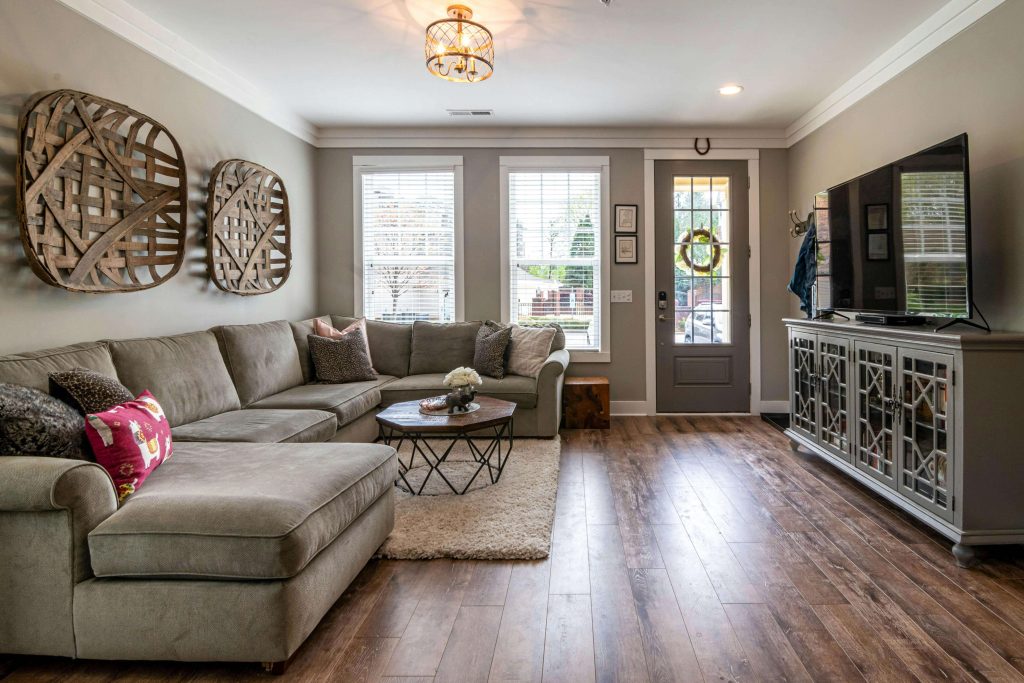
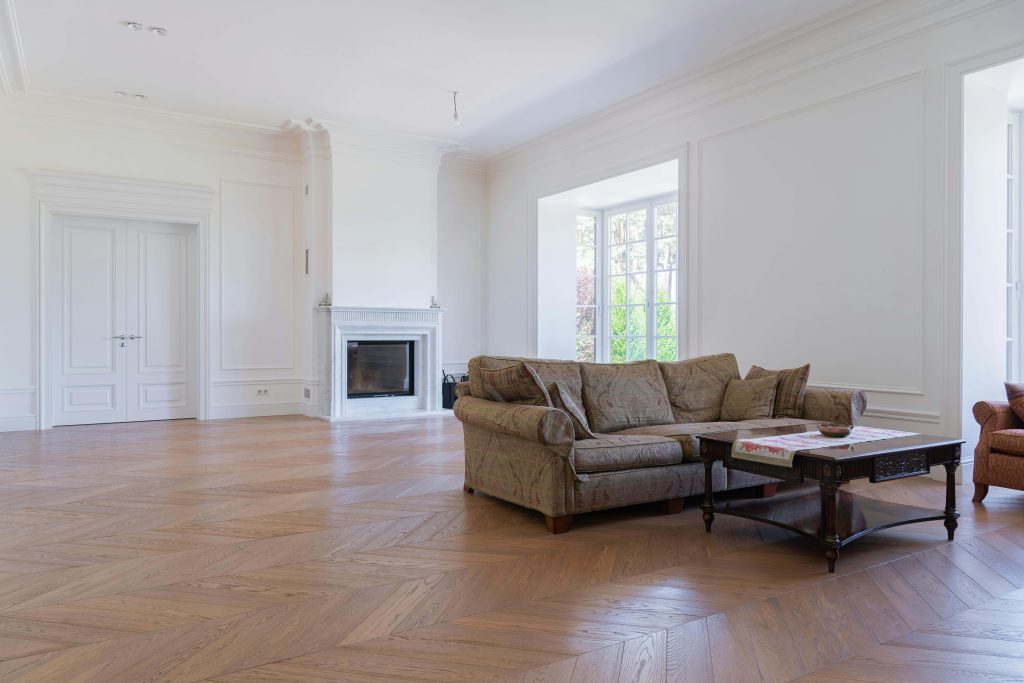
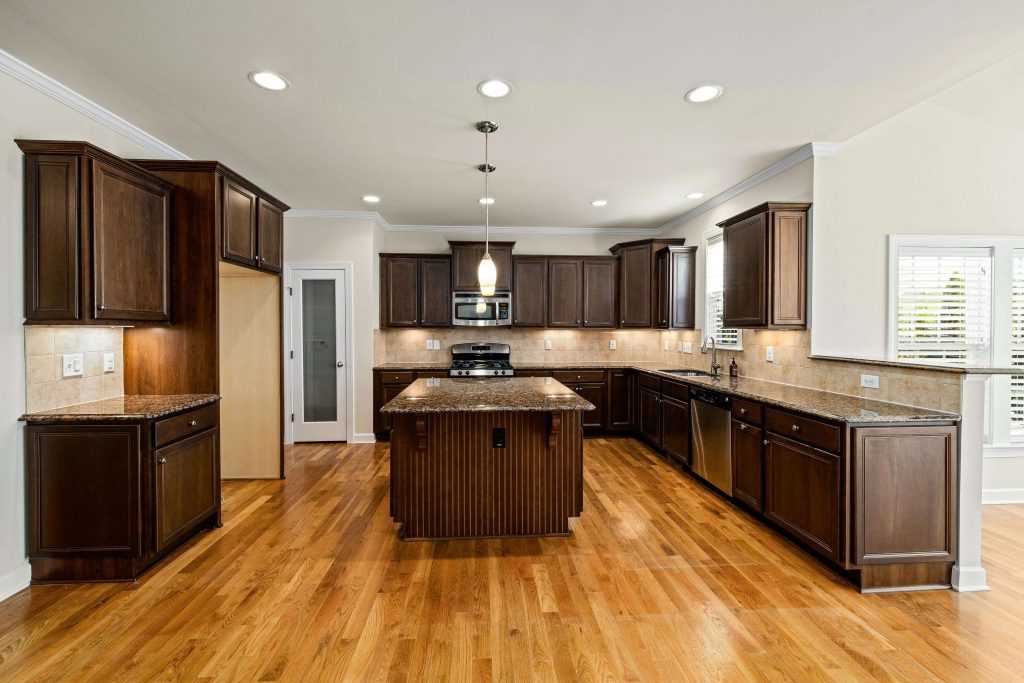
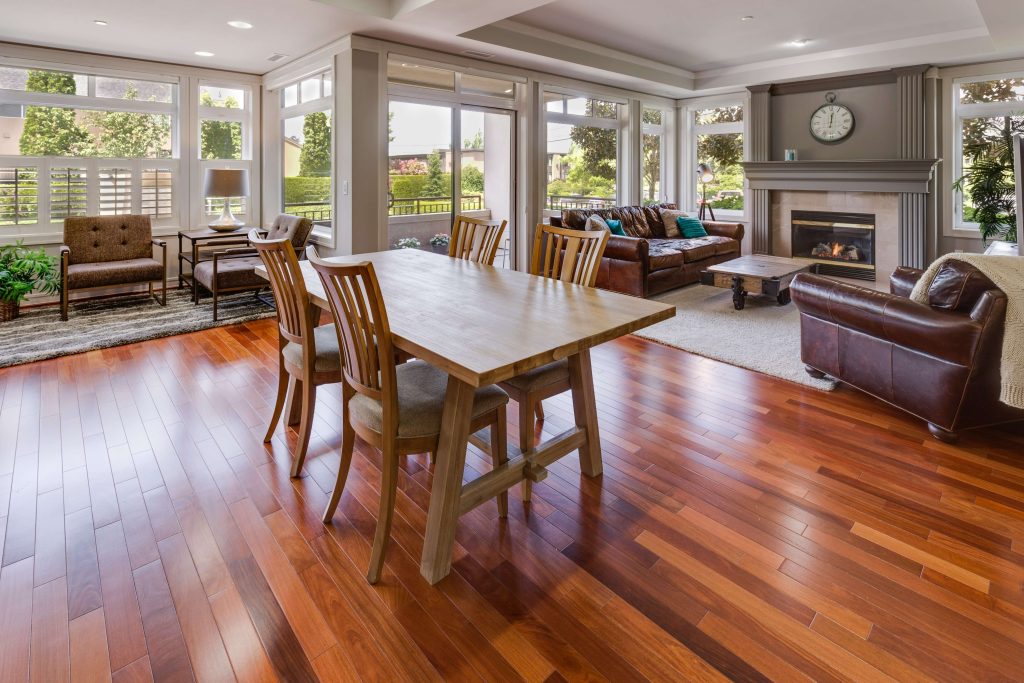
Different formats, materials, and rooms. This is what tile actually looks like installed, not what it looks like in a showroom.
Installed Pricing

What does tile actually cost?

Material, labor, thinset, grout, and tax are included in every rate. Demo, leveling, crack isolation membranes, and trim show as separate line items because they vary by project.

01
Budget-Friendly
12×24 or 18×18 ceramic or porcelain tile with standard installation. The most common pick for kitchens, bathrooms, and entryways. Wide selection of finishes and colors at this price point.
Works well forBudget-conscious homeowners, kitchens, bathrooms, laundry rooms, entryways
ExampleStandard ceramic or porcelain in 12×24 or 18×18
$10.00 – $12.00per sqft, installed
02
Mid-Range
18×36 porcelain tiles with refined installation including tighter grout lines and laser-leveled placement. Larger format reads cleaner and more modern in open spaces.
Works well forOpen-concept living areas, main floors, modern aesthetics, whole-home installs
Example18×36 porcelain in matte or polished finish
$12.00 – $14.00per sqft, installed
03
Premium
24×48 or 8×48 wood-look porcelain planks. Requires more precise installation, leveling, and pattern planning. The premium category for homes where the floor is part of the design statement.
Works well forKitchens with pets, custom homes, wood-look aesthetic with tile durability, statement floors
Example24×48 porcelain, 8×48 wood-look plank, large format porcelain or stone
$14.00 – $16.00per sqft, installed
Included in Every Installation
Tile material (your selected product)
Thinset and grout
Professional installation labor
Sales Tax
2-year labor warranty
Price lock at deposit

Every home is different.
Let's look at yours.

We'll measure your space, walk through options, and hand you a written estimate with every line item visible.

Project Ranges

What our recent projects actually cost.

Your project will be different. But these ranges give you a realistic window before we ever walk through your door.

Project Ledger
Recent installations
all-in, installed
Bathroom floor (standard porcelain)~150 sqft · Single bathroomDemo, crack isolation, 12×24 porcelain, grout
$3K – $5K
Kitchen and entry (standard format)~400 sqft · Kitchen + entryDemo, leveling, 12×24 porcelain, baseboards
$6K – $9K
Main floor (mid-size porcelain)~600 sqft · Main floorDemo, leveling, 18×36 porcelain, trim
$9K – $14K
Whole first floor (large format)~800 sqft · Whole first floorDemo, leveling, 24×48 or 8×48 porcelain, transitions
$12K – $18K
Custom whole-home tile~1,200 sqft · Custom buildMixed formats, stone accents, large format throughout
$18K – $30K
Every range includes material, labor, and tax. Demo, leveling, and trim appear as separate line items on your written estimate.
@soleilfloors

See what we're installing this week.

Current projects, finished installs, and behind-the-scenes from our crew across Austin and Round Rock.

Common Questions

Questions about tile?

The things homeowners ask us every week, answered straight and without hedging. If something isn't here, just call us at 737-260-7177.

01 Will my tile crack over time? +
Not if it's installed right. Tile cracks because the subfloor moves and the tile can't. In Central Texas, clay soil expands and contracts with humidity, and most slab foundations move enough seasonally to break tile that wasn't installed over a crack isolation membrane. We include the membrane on every install. Most box-store contractors skip it to save time and cost, which is why you see cracks in their work by year two.
02 What's the real difference between ceramic and porcelain? +
Porcelain is fired at a higher temperature, which makes it denser, harder, and less absorbent than ceramic. That matters in wet areas (kitchens, bathrooms, outdoor patios) and high-traffic spaces. Ceramic costs less and works fine for walls, backsplashes, and low-traffic floors. For most main-floor installations in Texas homes, porcelain is the better long-term call.
03 Does wood-look tile actually look like wood? +
It's gotten remarkably convincing in the last five years. The 8×48 plank format with embossed grain texture and varied color tones reads as wood from across the room. Up close, you can tell it's tile by feel and grout lines, but the visual is convincing. The trade-off is hardness underfoot. it doesn't have the give of wood or LVP, so kitchens benefit from anti-fatigue mats near the sink and stove.
04 Is grout going to discolor or stain? +
Unsealed cement grout will absorb stains and discolor over time, especially in kitchens and bathrooms. We use sealed grout on every install, which prevents most staining. Epoxy grout is the upgrade for clients who want truly stain-proof grout, though it costs more and is harder to repair if a tile needs to be replaced. We'll talk through the right grout for your project during your consultation.
05 Can tile be installed over my existing floor? +
Sometimes, but it depends on what's underneath. We can sometimes install over existing ceramic if the substrate is solid and level. We can't install over vinyl, laminate, or carpet. those have to come up first. Most jobs include demo of the existing floor as a separate line item on the estimate. We'll assess your specific situation during the consultation.
06 How long does tile installation take? +
Most tile projects run 3-5 days, including demo, leveling, membrane installation, tile setting, and grout. Larger format tiles take longer because each piece requires more precision. Wood-look plank installations take the longest because the layout planning and cuts are more demanding. We give you a realistic timeline during your consultation, not the best-case fantasy number.
07 What's included in the per-sqft price? +
Every per-sqft rate on this page is a true installed price. tile material, thinset, grout, professional installation labor, and tax. Demo, leveling, crack isolation membranes, baseboards, and transitions show as separate line items on your written estimate before we start. Nothing is buried. You'll see every dollar accounted for, and we lock your material pricing at deposit, even if supplier costs change before your install date.
08 Does tile increase home resale value? +
Tile in kitchens, bathrooms, and entryways is one of the highest-ROI flooring upgrades in residential real estate. Buyers see it as durable, easy to maintain, and a sign of quality construction. Wood-look tile in main living areas is increasingly accepted as a premium choice. Stone in bathrooms reads as luxury. The right tile in the right room adds real value at sale time.

Visit our Round Rock showroom.
Or we'll come to you.

Touch the product, see it in real light, and talk through your options at our place or yours. Either way, you'll leave with a clear plan and a written estimate.

Schedule a Visit

Get an Estimate

Schedule a Visit